
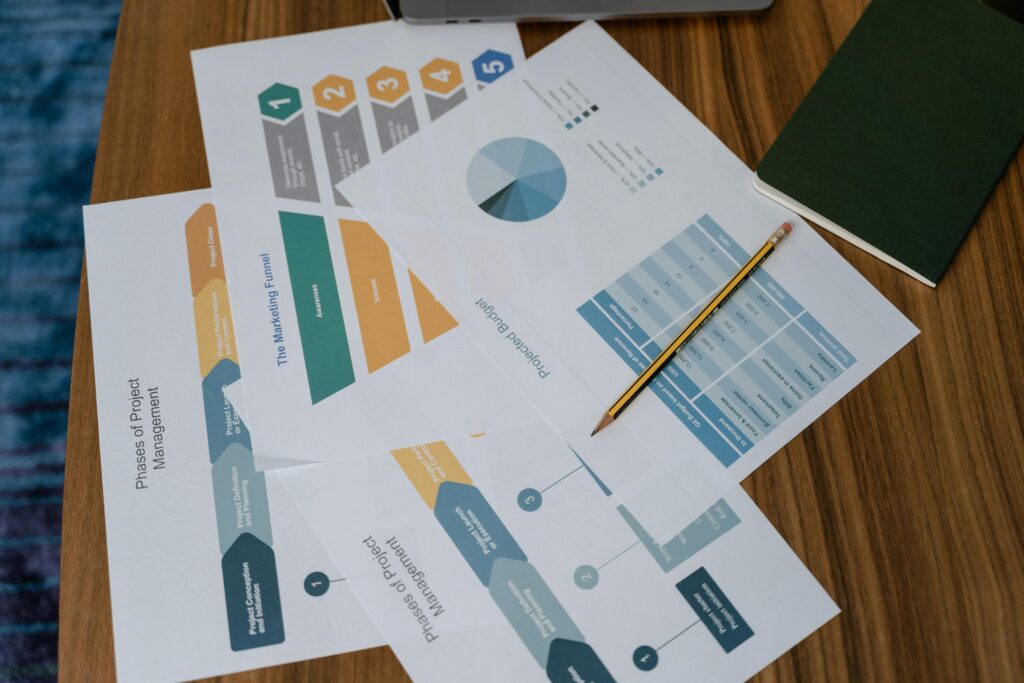
For a long time, manufacturing and fashion verticals used manual sketches and spreadsheets to create and share designs. The manufacturing and fashion industries once depended on static manual sketches and static spreadsheets for communicating designs. All these conventional procedures typically lead to costly production errors and supply chain delays. Today, the incorporation of Product Lifecycle Management (PLM) software has transformed manual processes into dynamic online environments.
Hence, the innovative systems allow designers to update all their requirements, ensuring that stakeholders can access the updated project version.
● Consolidating design data using an online tech pack
A digital tech pack serves as a single source of truth for each product or garment throughout the development cycle. It comprises accurate measurements, material lists, and construction notes that can guide factories in the manufacturing process. By migrating these documents to a cloud-based PLM system, the brands can reduce the risk of using outdated data during production. This consolidation improves interaction between design and offshore manufacturing teams, saves time, and reduces the number of sample iterations.
● Simplifying communication using visibility in real-time
Today’s fast-paced global market continues to rely on effective communication as the foundation for successful product development. New PLM systems include instant messaging capabilities to connect internal teams to their global supplier base. It enables immediate communication between team members and suppliers. Instead of keeping track of emails in never-ending threads, developers can now reply to online file elements. The result is fewer misunderstandings due to a clear communication process and consistent quality throughout the entire production cycle.
● Minimizing prototyping waste and improving sustainability
Digital documentation has drastically changed the way that the fashion industry exists in today’s world. By using highly accurate digital 3D files, companies can see how items will fit and drape. Thus, allowing them to create a sample ready for production without building a physical prototype. Creating fewer physical prototypes reduces textile waste and the carbon footprint of international shipping. Sustainability isn’t just a trend anymore! In fact, it’s now a key functional benefit of investing in progressive digital management systems.
● Future of scalability and predictive analysis
Managing hundreds of product variations becomes increasingly complicated for all but the most experienced managers as corporations grow. Today’s product lifecycle management (PLM) systems leverage data analytics to forecast lead times and proactively identify bottlenecks before they affect the schedule. This information enables firms to expand their
operations in an orderly manner, with high levels of accuracy and creative flexibility. Embracing these significant technological changes will allow brands to remain competitive in an ever-changing and demanding retail environment—this is how companies are future-proofing themselves.
Summing it up
Therefore, the shift from paper files to integrated online systems represents a significant leap for the manufacturing domain. New-age workflows prioritize accuracy, speed, and international collaboration to meet the increasing demands of savvy consumers. With the advancement of technology, the rise of AI-generated tech packs will also automate the complex design tasks. Welcoming these advancements ensures that brands remain relevant and agile in the ever-changing marketplace.


























4 Comments on "The Evolution of Tech Packs in Modern Product Lifecycle Management"
Would you like to share your thoughts?
Your email address will not be published. Required fields are marked *