
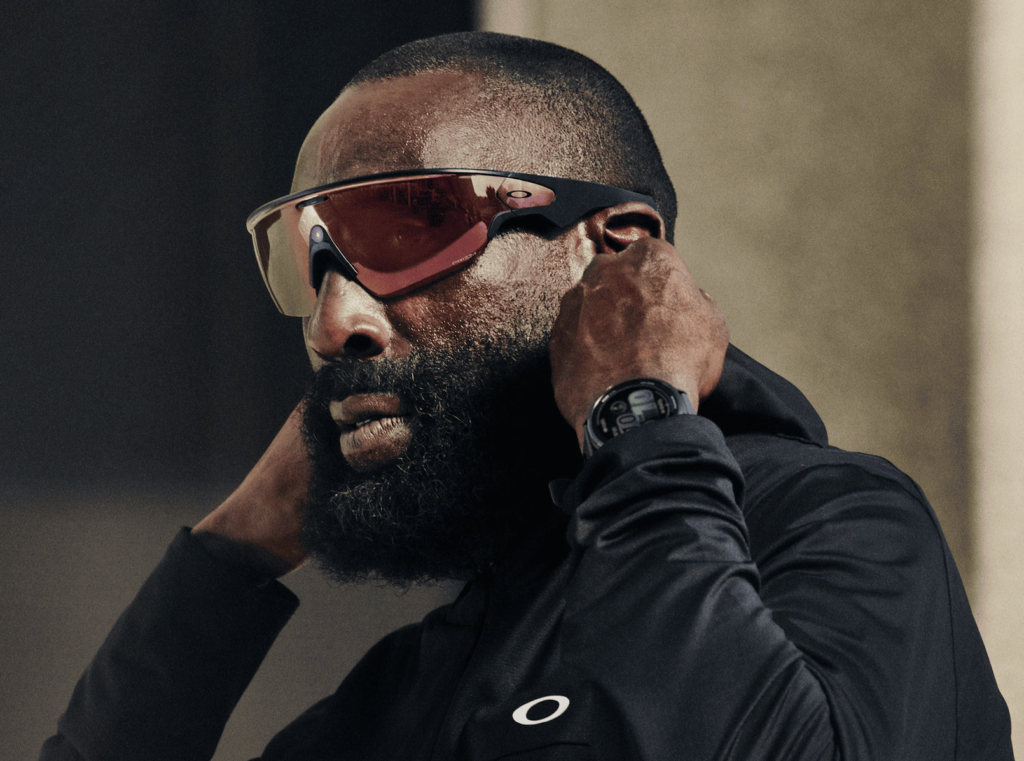
The tools that actually change how a creative works are rarely the ones that get the most attention at launch. They tend to be the ones that solve a specific, recurring problem so quietly that after a few weeks you cannot remember how you managed without them. AI glasses have followed that pattern for a growing number of content creators in 2026. The frames look like regular eyewear, the battery life covers a working day, and the features, camera, open-ear audio, and AI assistant access, are practical enough to use in real production environments rather than just in demos. What has changed is not that the technology got flashier. It is that it got out of the way. The five workflow applications below are where the real creative value is showing up most consistently, and they are worth knowing about whether you are a solo creator, a photographer, a videographer, or anyone whose work involves moving through the world with a camera and an idea.
Capturing Raw, Unplanned Footage Without Interrupting the Creative Process
Every creative has experienced the version of this problem: you are in the middle of something interesting, a conversation, a location, a moment with a particular quality of light, and the act of reaching for a camera to document it changes the thing you were trying to capture. The phone comes out, the moment becomes self-conscious, and what you record is a version of the original rather than the original itself. AI glasses solve this at the root. The camera is already on your face, pointed where you are looking, running when you need it without any physical gesture that signals to the room that something is being recorded. Many creators who stumbled onto this format by deciding to shop Meta glasses out of curiosity rather than conviction came away with the same observation: the footage that came out of a single unplanned afternoon of wearing them was more usable than anything they had deliberately set out to capture that week. For documentary-style creators, street photographers who also shoot video, journalists, and anyone working in a run-and-gun style, the quality of footage that comes from this kind of capture is genuinely different from anything produced by consciously deciding to film. It is less directed and more true, and for content that depends on authenticity as its primary appeal, that distinction is the whole ballgame.
Running a Solo Shoot Without a Second Pair of Hands
Solo content creation has always involved a particular kind of improvisation around the things that are genuinely easier with two people. Setting up a shot, checking the frame, managing audio, and staying present in the scene at the same time is a juggling act that most solo creators handle with a combination of tripods, remote triggers, and a lot of reshooting. AI glasses change the calculation on at least part of that problem. A creator wearing camera glasses during a solo shoot has a continuous first-person record of exactly what they are seeing and doing, which does several things at once: it captures usable behind-the-scenes content, it provides a reference for what the creator was actually looking at when they made specific decisions, and it occasionally produces the best shot of the day precisely because nobody was trying to produce it. That last point is worth sitting with. Some of the most interesting creative footage happens in the margins of a shoot, in the moments between set-ups, in the walk to a location, in the conversation that happens just before the camera officially rolls. AI glasses catch those moments without anyone having to remember to press record.
Managing Audio and Communication During Production Without Earbuds
Audio management is one of the more underrated friction points in a content creator’s working day, and it is one that most people have just accepted as part of the job rather than looked for a way around. Earbuds in means you cannot hear your environment, your subject, or anything happening around the shoot worth capturing. Earbuds out means you are missing the music, reference audio, or communication you need between takes. Smart glasses with open-ear speakers built into the frame sit between those two options in a way that actually works. You stay acoustically present in the space while still having access to whatever you need through the audio channel in the glasses. For creators who work on location, in public spaces, or in any environment where staying aware of what is happening around you is part of the job, that combination is more useful in practice than it sounds in a product description. It also removes the slightly awkward social moment of repeatedly inserting and removing earbuds throughout a shoot day, which is a smaller thing but one that adds up across a long production.
Using the AI Assistant as a Real-Time Creative Reference
The AI assistant built into current smart glasses tends to get discussed in terms of its most obvious uses: asking questions, setting reminders, getting quick information without reaching for a phone. Those are real and useful, but they are not the most interesting applications for working creatives. The more valuable uses come from treating the assistant as a real-time reference layer during production. Asking for color temperature guidance while assessing a lighting situation. Getting a quick check on a technical specification mid-shoot. Using voice commands to log timestamps, location notes, and ideas as they occur rather than trying to hold them until there is a moment to write them down. For photographers who handle their own post-production, being able to voice-note specific observations about a shot while still standing in the location where it was taken produces a more useful editing reference than trying to reconstruct the same notes from memory hours later at a desk. The assistant does not make creative decisions. It just removes the small administrative friction that interrupts the flow of a production day more often than most creators consciously realize.
Building a More Honest Behind-the-Scenes Content Library
Behind-the-scenes content is one of the consistently best-performing formats across platforms, but producing it well has always been a secondary task competing with the primary one. A creator who is shooting a portrait session, filming a cooking video, or documenting a location cannot also be operating a separate camera to capture the process without something suffering. AI glasses change this by making the behind-the-scenes capture essentially automatic. The creator goes about their work and the glasses produce a continuous first-person record of the session that can be edited into behind-the-scenes content afterward without any additional production effort during the shoot itself. What tends to come out of this is more honest than behind-the-scenes content that was staged alongside a main production, because it captures the actual decision-making, the moments of uncertainty, the small adjustments and course corrections that make the creative process genuinely interesting to watch. Over a month of consistent use, a creator wearing AI glasses during their shoots ends up with a library of real process footage that would have required a dedicated camera operator to produce any other way. That library becomes a content asset with a long shelf life, and it was built without a single extra production day.
Conclusion
The pattern across all five of these workflow applications is the same: AI glasses are most valuable for content creators not because they add a new capability but because they remove a recurring interruption. The moment of reaching for a camera, the choice between earbuds and awareness, the note that does not get taken, the behind-the-scenes footage that does not get captured because the main shoot is already demanding enough: these are small frictions individually and significant ones in aggregate across a working year. The creators getting the most out of AI glasses in their workflow are not using them as a primary camera or a replacement for their existing kit. They are using them to fill the gaps that every other tool leaves open, and those gaps turn out to be where a surprising amount of the most interesting content lives.






















1 Comment on "5 Ways Content Creators Are Using AI Glasses in Their Workflow"
Would you like to share your thoughts?
Your email address will not be published. Required fields are marked *